


Stair Railing Parts, Explained
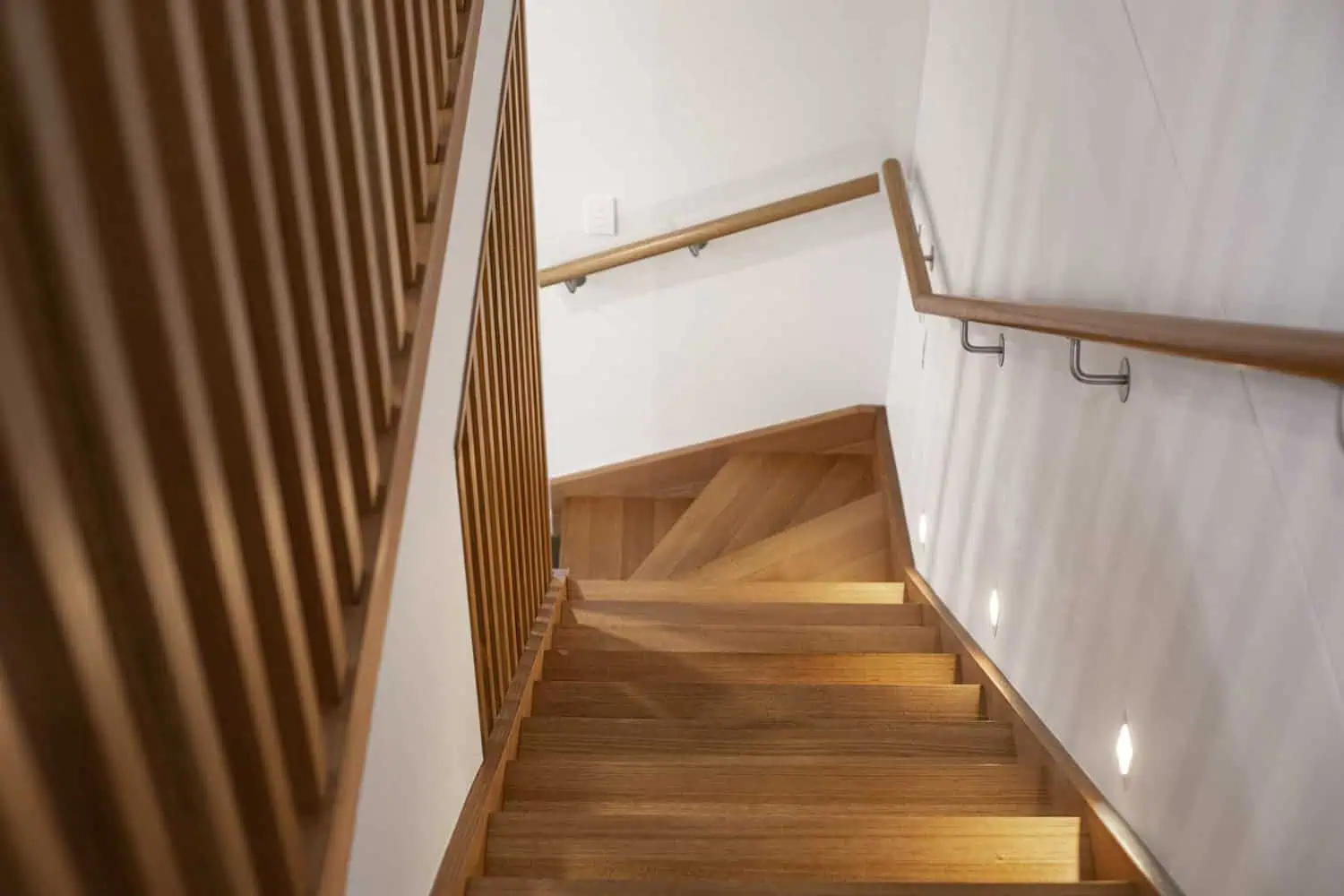
Whether you’re upgrading an existing staircase or building one from the ground up, understanding stair railing components is essential. While stair treads and stringers carry the physical load, the railing system plays a crucial role in both safety and aesthetics. It keeps people steady on their feet—especially children and older adults—and defines the overall style of the staircase, from modern to traditional.
If you’re a homeowner planning your own install, or a professional brushing up before a job, this guide will walk you through the key stair railing parts, what they do, and what to consider when choosing or installing them.
Why stair railing components matter
It’s easy to overlook railing parts as decorative or secondary, but they’re far more than that. Building codes require staircases to have handrails for a reason. Railing components:
- Prevent falls and add grip
- Help guide movement up and down stairs
- Visually anchor the staircase
- Impact resale value and interior design
A railing system is a blend of form and function—and every part contributes to both.
The main stair railing parts, explained
Let’s break down the typical components found in a stair railing system, whether you’re installing indoors or outdoors, in wood, metal, or composite materials.
1. Handrail
The handrail is the part you hold onto when ascending or descending stairs. It runs parallel to the pitch of the staircase and can be mounted directly to the wall (wall-mounted) or supported by balusters (freestanding).
- Wall-mounted handrails are often seen in basements or along one side of a staircase.
- Baluster-supported handrails are more common in open staircases and tend to be more decorative.
Handrails must meet certain height and grip standards outlined in building codes, usually between 34 and 38 inches high from the nose of the tread.
Trim pieces are often used alongside handrails to provide a polished, finished look.
2. Balusters (or spindles)
Balusters are the vertical posts that support the handrail and help prevent people—especially children or pets—from falling through the space beneath the railing.
They come in a variety of shapes and materials:
- Wooden balusters are traditional and can be plain or highly decorative. Some wood balusters are available primed for easy painting.
- Metal balusters offer a modern look and often come in square or round profiles.
- Glass panels can be used in place of traditional balusters for a sleek, open effect.
Tall balusters are often used for dramatic effect or in staircases with higher handrails.
Balusters are usually spaced 4 inches apart or less, per code, to prevent a small child’s head from slipping through. 32-inch balusters are commonly installed on a knee wall for added safety and style.
3. Newel post
The newel post is the large, sturdy post at the beginning, end, or corner of a staircase. It anchors the railing system and provides stability to the entire structure.
Newel posts can be:
- Starting newels, located at the bottom of the stairs
- Landing newels, found on landings or turning points
- Box newels, which are wider and often more decorative
Newel posts are available in a variety of materials, with red oak being a popular choice due to its durability and attractive appearance.
Because of their size and prominence, newel posts also offer a design opportunity to make a bold visual statement.
For convenient upgrades, newel post replacement kits are available, providing all the necessary components in one package for easy installation.
4. Post cap or finial
Sitting atop the newel post, the post cap (or finial) is both decorative and protective. While it doesn’t serve a structural role, it finishes off the post with style—and helps prevent moisture damage in outdoor staircases.
Caps can be simple flat tops or ornate carvings, depending on the staircase style.
5. Shoe rail (optional)
A shoe rail is a horizontal piece at the bottom of a railing system that balusters fit into. While not always required, it can help align balusters evenly and offers additional support.
You’ll typically see shoe rails in wooden or traditional staircases, particularly when balusters are installed between a top and bottom rail.
6. Fillet (optional)
The fillet is a thin strip of wood used between balusters inside a shoe or handrail. It’s mainly used for decorative purposes and to keep the balusters snugly in place.
7. Gooseneck or volute (for curved railings)
For curved or turning staircases, additional parts like a gooseneck (a curved handrail transition) or a volute (a spiral at the end of a handrail) may be needed. These are especially common in elegant or historical designs.
Choosing the right materials
Each railing part is available in a range of materials, and the right choice depends on style, location, and maintenance preferences:
- Wood: Warm, classic, and versatile. Great for interior stairs in traditional homes.
- Metal: Sleek and strong. Ideal for modern interiors or exterior decks.
- Composite: Durable and low-maintenance. Often used for outdoor railing systems.
- Glass: Minimalist and open, though typically more expensive and better suited to modern interiors.
You can also mix materials—for example, wood handrails with iron balusters—to achieve a transitional look.
Meeting code requirements
Building codes differ slightly by region, but here are a few key rules that most jurisdictions follow:
- Handrail height: 34–38 inches from tread nosing
- Baluster spacing: No more than 4 inches apart
- Newel post anchoring: Must support a lateral load (usually around 200 pounds)
- Risers: Must meet specific height and material standards to ensure safety and structural integrity
Failing to follow code can lead to safety issues—or failing inspections—so be sure to check local rules before starting your project.
Installation tips for DIYers
- Pre-fit your parts before final installation to ensure everything lines up.
- Use a level for each newel post—if it’s even slightly off, it’ll throw off your whole railing.
- For indoor installations, pre-stain or paint components before putting them together to save time and mess.
- Use construction adhesive and fasteners together for long-term durability.
Understanding stair railing parts is more than just learning names—it’s about building a system that’s safe, secure, and well-integrated into your home’s design. Whether you’re looking for high-quality materials, design inspiration, or expert installation, we’re here to help every step of the way. Contact us today!
